

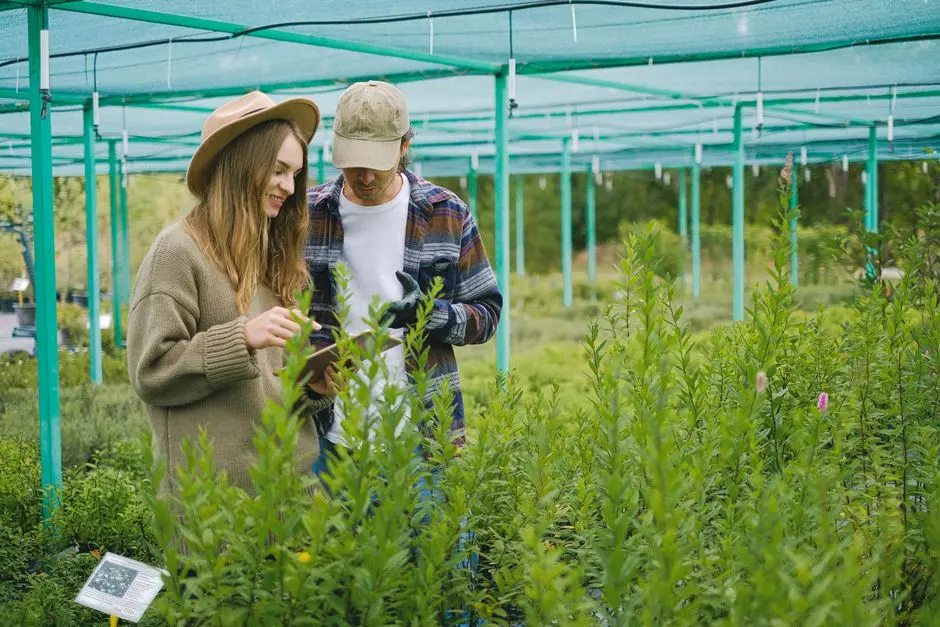
In today’s fast-paced world, agriculture is embracing technology like never before. Greenhouses, in particular, can benefit tremendously from tech advancements, especially in irrigation design. In this FAQ-style blog, we’ll explore how technology is revolutionizing greenhouse irrigation, making it more efficient and effective.
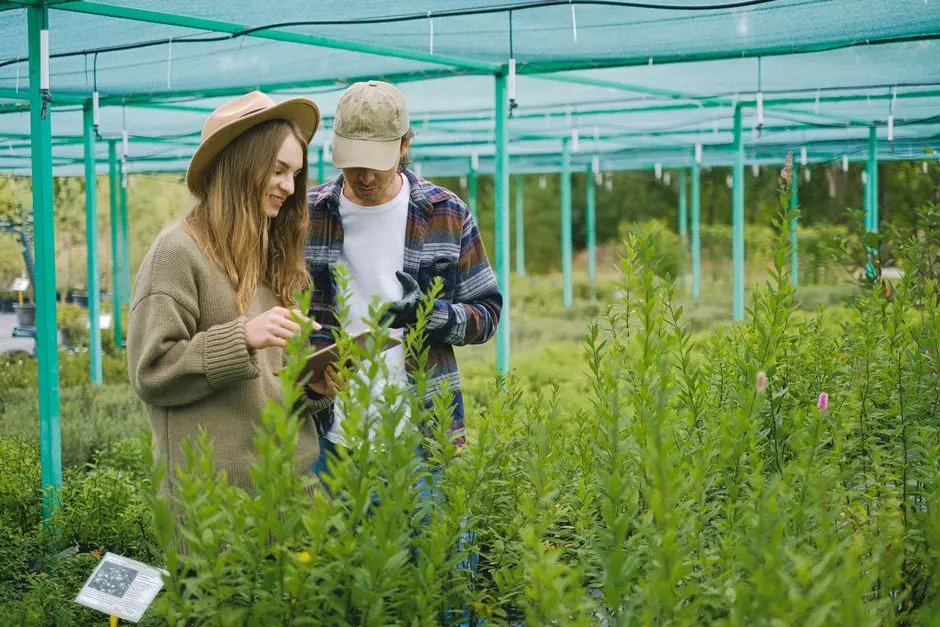
Understanding Irrigation Needs in Greenhouses
Before diving into technology, it’s essential to understand the unique irrigation needs of greenhouse plants. Different crops have varying requirements, and technology can help address these with precision.
Greenhouses provide a controlled environment that aims to optimize plant growth. However, to achieve this, understanding the specific irrigation requirements is crucial. Each plant species may demand distinct amounts of water, humidity levels, and soil conditions. Technology can be a powerful ally in tailoring the irrigation system to meet these diverse needs efficiently.
Automated Irrigation Systems
Automation is a game-changer in irrigation design. Learn how automated systems can efficiently water plants while reducing human error and conserving resources.
Automated irrigation systems are designed to streamline the watering process, ensuring plants receive exactly the amount of water they need. By using timers and sensors, these systems can adjust watering schedules based on weather forecasts and plant growth stages, significantly reducing water wastage and increasing efficiency.
With automation, farmers can focus on other critical tasks, knowing their plants are being cared for with precision. This technology minimizes human intervention, which often leads to more consistent irrigation and healthier, more robust plant growth.
Sensors and Precision Monitoring
Discover how sensors can provide real-time data on soil moisture, humidity, and temperature, allowing for more precise irrigation.
Sensors play a pivotal role in modern irrigation design. By offering insights into the micro-environment of the greenhouse, they enable growers to adjust water delivery according to current plant needs. This data-driven approach leads to optimal plant health and higher yields without unnecessary use of resources.
Nowadays, advanced sensors can even communicate with automated irrigation systems, ensuring they respond immediately to changes in environmental conditions. Such integration is key to achieving truly smart greenhouses.
Cloud-Based Irrigation Management
Cloud computing allows for remote management of irrigation systems, offering real-time analytics and control from anywhere in the world.
Leveraging cloud technology, greenhouse managers can access irrigation systems via laptops or smartphones. This seamless remote access enables real-time monitoring and adjustments, ensuring optimal water use no matter where the managers might be physically located.
Furthermore, cloud-based systems can store historical data, providing valuable insights for future irrigation planning. These systems offer predictive analytics, assisting in efficient decision-making processes and energy conservation.
The Role of Drones and AI
Explore how drones and artificial intelligence can be used for monitoring and optimizing irrigation efforts in large greenhouse operations.
Drones can be employed to scan large greenhouses, collecting data that reveals which areas require more water and which are performing optimally. This aerial perspective ensures even water distribution across different sections of the greenhouse.
AI integrates with data from drones, sensors, and other technologies to form predictions and recommendations for irrigation schedules. Its ability to learn and improve over time makes AI an invaluable tool in modern greenhouse management.
Embracing Technology for a Sustainable Future
Technology offers a plethora of opportunities to transform irrigation design in greenhouses. From automation and sensors to cloud-based systems, these innovations not only improve water efficiency but also enhance crop health and productivity. Embracing these technologies can help create a more sustainable future for agriculture.