

In recent years, indoor farming has emerged as a revolutionary solution to some of the biggest challenges faced by traditional agriculture. With increasing concerns over climate change, resource scarcity, and food security, it’s clear that our current farming practices need an innovative upgrade. But what exactly makes indoor farming the future of agriculture? Let’s explore how these solutions are changing the game.
Understanding Indoor Farming
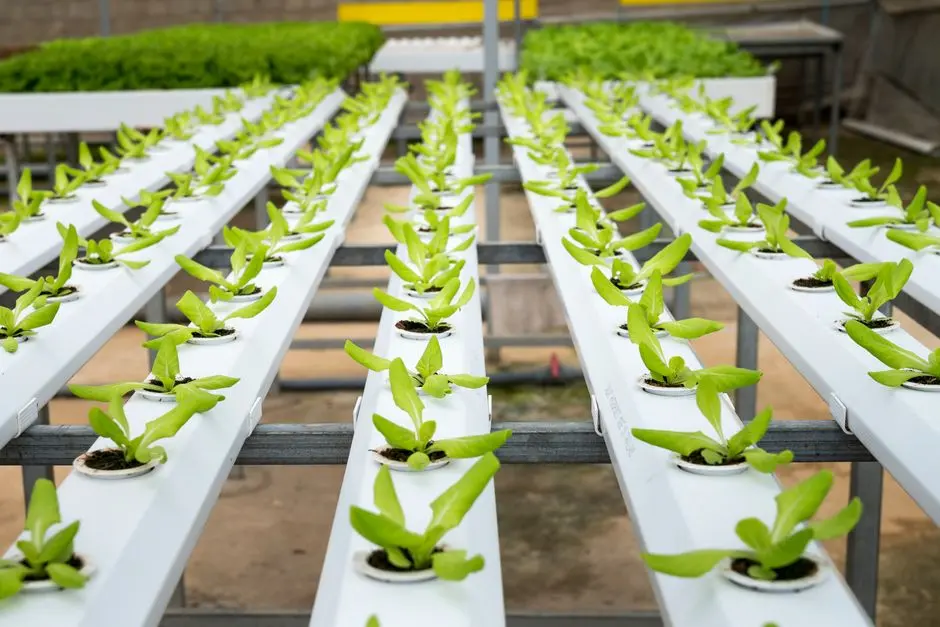
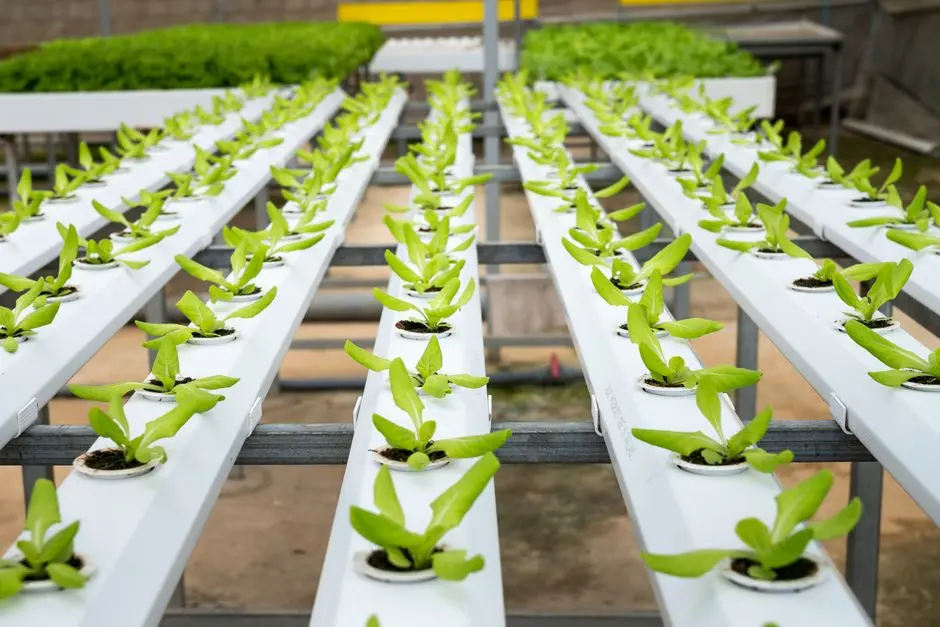
Indoor farming involves cultivating crops in a controlled environment, such as greenhouses or vertical farms. This allows growers to regulate factors like temperature, humidity, and light, which leads to increased crop yields and quality. By understanding the fundamentals of indoor farming, we gain insight into why it’s increasingly seen as a viable agricultural solution.
One of the remarkable aspects of indoor farming is its ability to transcend geographical and climatic limitations. For instance, regions with extreme weather conditions that are traditionally unsuitable for agriculture can become productive farming hubs. This adaptability is largely thanks to technologies that mimic ideal growing conditions irrespective of external climates. Moreover, indoor farming dramatically reduces the land footprint necessary for production, aligning with efforts to conserve natural habitats. As cities grow denser, vertical farming becomes an innovative way to produce fresh produce locally, reducing the need for long-distance transportation and thus decreasing the carbon footprint associated with food distribution.
The Environmental Benefits of Indoor Farming
Traditional agriculture often leads to significant environmental challenges, including deforestation, soil degradation, and water pollution. Indoor farming solutions, however, utilize less land and water, and they significantly reduce agricultural runoff. This section explores how these benefits contribute to more sustainable food systems.
One of the most profound environmental advantages of indoor farming is the minimization of water usage. By employing methods like hydroponics, indoor farms can decrease water consumption by up to 90% compared to traditional methods. This is achieved through closed-loop systems that recycle water, dramatically curtailing wastage. Moreover, because indoor farms do not require arable land, they prevent soil degradation and erosion, issues that plague conventional farming. With the global water crisis affecting millions, adopting such efficient farming strategies could be a game-changer in global water conservation efforts.
Indoor farming also curtails the use of harmful pesticides and fertilizers, which are significant sources of environmental pollution in conventional agriculture. By controlling the environment, pest outbreaks can be managed with minimal chemical interference, and nutrient delivery can be optimized, reducing the waste of fertilizers. This sustainable model of crop cultivation represents a shift towards more eco-friendly practices, pivotal for the climate-conscious generation. Such advancements point towards an integrated approach where technology meets environmental stewardship for the betterment of our planet.
Technological Innovations Driving Indoor Farming
From LED lighting to hydroponics and aeroponics, technological advancements have been at the forefront of indoor farming. These innovations enable precise control over the growing environment, helping farmers optimize production and reduce waste. In this section, we’ll delve into the cutting-edge technologies that make indoor farming possible.
LED lighting has played a crucial role in the success of indoor farming. These lights provide the specific spectrum needed for plants to grow, allowing farming to take place in locations with minimal natural light. Additionally, LED lights are energy-efficient, reducing the overall carbon footprint of indoor farming operations. Another fascinating technology is aeroponics, which involves growing plants in a mist environment, significantly reducing water and nutrient use. This system ensures that plants receive an optimal amount of oxygen, promoting faster growth rates and higher yields.
Sensor technology and IoT (Internet of Things) devices have revolutionized the way farmers monitor plant health. These technologies enable real-time data collection on factors like soil pH, moisture levels, and ambient temperature, allowing for immediate adjustments to maintain optimal growing conditions. The integration of artificial intelligence in these systems also predicts and identifies pests or diseases early, preventing crop losses. Thus, technological advancements not only enhance efficiency but also contribute to the precision and resilience of modern agricultural practices.
Addressing Food Security with Indoor Farming
With the global population projected to reach 9 billion by 2050, ensuring food security is a pressing issue. Indoor farming solutions offer a potential answer by allowing for consistent, year-round crop production, irrespective of weather conditions. Here, we will examine how indoor farming can help meet future food demands.
Indoor farming provides a reliable food source, even in areas facing adverse agricultural conditions. By eliminating reliance on weather patterns and traditional growing seasons, indoor farms can consistently produce crops throughout the year. This is especially crucial in urban settings where fresh produce is in high demand but often has to be imported from distant locations. By localizing food production, indoor farming not only enhances food security but also reduces costs associated with transportation and spoilage, providing a fresher product for consumers.
Moreover, indoor farming can be pivotal in reducing food insecurity by diversifying and increasing the resilience of local food systems. Community-driven urban farms can play a critical role by involving locals in food production, thus empowering communities. This approach not only helps in providing nutritional food but also educates and engages communities in sustainable practices. The move towards such sustainable food networks can significantly help in tackling the food demands of the future.
The Economic Potential of Indoor Farming
Beyond environmental and food security benefits, indoor farming holds significant economic potential. By reducing dependencies on imported produce and creating new jobs, indoor farming can bolster local economies. We’ll explore the economic impacts and opportunities that indoor farming presents.
Indoor farming introduces numerous opportunities for economic growth, creating employment from farm operations to technology development and maintenance. As farms can be established near urban centers, they provide job opportunities in local communities that may have limited employment options. Additionally, with advancements in technology, there is a rising demand for skilled labor, providing careers in research, engineering, and farm management. This presents an opportunity to revitalize economies and attract investments focused on sustainability and innovation.
The economic benefits extend beyond job creation, as indoor farming reduces the reliance on foreign imports, leading to more stable food prices and enhancing food sovereignty. By supporting local producers, we stimulate regional economies and reduce dependencies on global supply chains. Moreover, businesses involved in developing farming technologies see increased business opportunities, amplifying economic development. Overall, the economic potential of indoor farming is vast, aligning profitability with sustainability goals, ensuring a viable future for the agricultural sector.
Embracing a Brighter Agricultural Future
Indoor farming solutions provide a promising pathway toward sustainable, efficient, and productive agricultural practices. By leveraging technology and innovative design, we can feed the growing global population while minimizing our environmental impact. As we embrace the future of agriculture, indoor farming stands as a beacon of hope, paving the way for a new era of food production. Learn more about how you can be part of this exciting future by visiting Cultivation Warehouse.
