

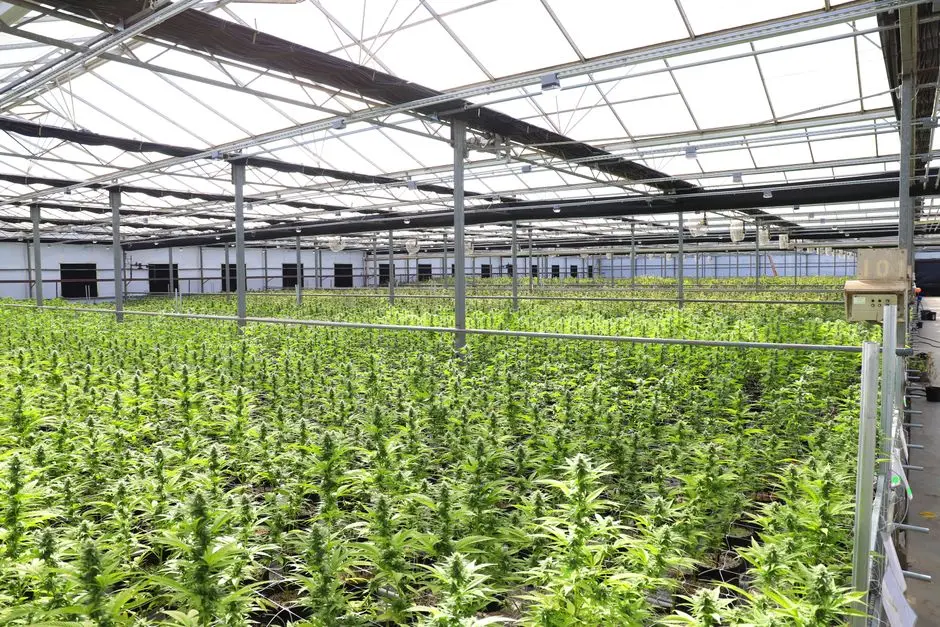
In the rapidly expanding world of cannabis cultivation, staying ahead of the game means embracing sustainability. With environmental concerns and energy costs on the rise, innovative air conditioning solutions are crucial for ensuring healthy growth while minimizing ecological footprints. Let’s explore some state-of-the-art cooling options that can revolutionize cannabis growing environments.
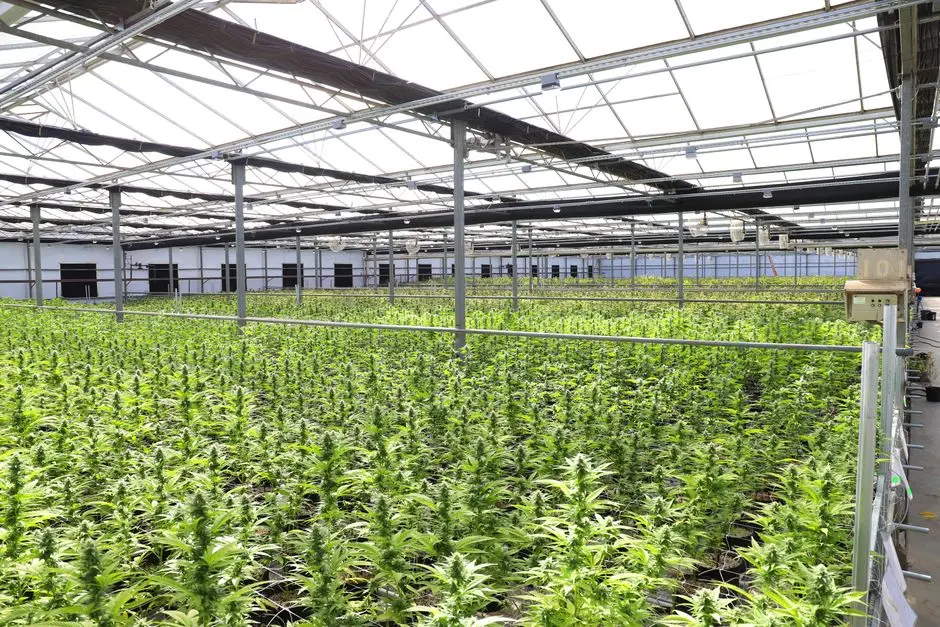
1. Harnessing Nature’s Cool with Geothermal Systems
Geothermal systems use the earth’s natural temperature to provide efficient cooling solutions. By installing pipes underground, they leverage the stable temperatures to regulate indoor climates, making them an eco-friendly option for cannabis growers. This system not only helps in maintaining optimal temperature but also drastically reduces the reliance on traditional energy sources, thereby lowering operational costs. Notably, this method works best in areas with significant temperature fluctuation above ground, illustrating its potential as a revolutionizing step in sustainable agriculture. Beyond the environmental benefits, the cost-effectiveness of geothermal systems makes them an attractive choice for long-term savings.
2. Solar-Powered Air Conditioning
Solar power offers a renewable energy source that can significantly reduce electricity costs and carbon footprints. With advancements in technology, solar-powered air conditioning units can effectively cool large cultivation facilities. These units work by harnessing energy from the sun through photovoltaic panels, converting it into electricity to power air conditioning systems. This approach not only aligns with the goals of reducing the carbon footprint but also supports energy independence, making it a cornerstone of sustainable cannabis cultivation. As battery technology improves, storing excess solar power for use during low-sunlight periods becomes more viable, further enhancing the reliability of this solution. Cannabis growers, therefore, have a compelling case for adopting solar power as part of their sustainable practices.
3. Hydronic Cooling for Precision Climate Control
Hydronic cooling employs chilled water to absorb and remove heat, providing precise temperature control essential for cannabis growth. This system is particularly beneficial in regions with fluctuating temperatures. It offers the ability to maintain consistent climate conditions, which is crucial for healthy and productive cannabis plants. The way hydronic systems transport chilled water throughout a facility ensures even distribution of cooling, allowing cultivation environments to remain stable regardless of external temperature changes. This technology is an appealing option not only for its efficiency but also for the considerable reduction in energy usage when compared to traditional air-based cooling systems.
One of the key benefits of hydronic systems lies in their adaptability. They can be tailored to meet the specific climate needs of different cannabis strains, thereby optimizing growth conditions on an individual basis. This nuanced control ensures that each plant receives the precise environmental conditions necessary for optimal growth and potency. Furthermore, hydronic cooling systems contribute to lower energy bills and reduced operational costs. These systems also promote sustainable use of resources, making them a forward-thinking choice for growers aiming to minimize their ecological impact while maximizing their harvest’s quality and quantity.
4. Energy-Efficient VRF Systems
Variable Refrigerant Flow (VRF) systems adjust refrigerant flow according to the specific cooling needs of different areas, ensuring optimal performance and energy efficiency, crucial for varying growth environments. The precision offered by VRF systems means that they can deliver exact temperatures to specific zones within a cultivation facility, eliminating the wastefulness typically associated with centralized air systems. This not only conserves energy but also helps create individualized microclimates suitable for diverse strains of cannabis, thereby optimizing growth conditions. As a result, growers can expect improved yields and higher quality plants.
5. The Advantages of Evaporative Cooling
Using the natural process of evaporation, evaporative coolers lower temperatures without requiring high energy inputs. These systems are highly efficient in dry climates, offering economic and environmental benefits. By drawing air through water-saturated pads, they cool down the air which can then be distributed throughout the growing facility. This technique not only conserves a significant amount of energy compared to traditional air conditioners but also helps maintain higher humidity levels, beneficial in arid environments. Growers adopting evaporative cooling can significantly cut down their energy expenses, making it a smart choice for those in suitable climates.
Another advantage of evaporative cooling is its ability to improve air quality by filtering out some of the dust and allergens, thereby creating a healthier environment for both the plants and the workers. The simplicity of these systems leads to lower maintenance demands and costs, reducing the overall operational burden on growers. As cannabis cultivation expands, incorporating evaporative cooling can make a meaningful impact on both sustainability efforts and operational efficiency, demonstrating the value of this traditional but effective cooling method.
6. Smart Thermostats for Enhanced Management
Smart thermostats provide real-time data and remote access, allowing growers to monitor and adjust climate conditions within their facilities seamlessly, leading to better energy management and cost savings. With the ability to analyze historical climate data, smart thermostats empower growers with insights to fine-tune their operations effectively. The integration of these devices into an air conditioning system means that adjustments can be made on the go, ensuring optimal conditions for cannabis plants at all times. Moreover, the precision of control offered by smart thermostats minimizes energy waste by targeting specific areas that require cooling, rather than cooling entire spaces uniformly.
7. Using Desiccant Dehumidification for Humidity Control
Controlling humidity is critical in cannabis cultivation. Desiccant dehumidification systems efficiently remove moisture from the air, maintaining optimal humidity levels and ensuring plant health. These systems work by attracting and retaining moisture using desiccants that absorb water from the air before it circulates throughout the facility. By maintaining controlled humidity, they prevent mold and mildewing issues that can compromise the quality and yield of cannabis crops. In addition to benefiting plant health, desiccant dehumidifiers also contribute to the longevity of cultivation equipment by minimizing the risk of rust and other moisture-related damages.
8. Integration of AI in Climate Controls
Artificial Intelligence (AI) enhances the control over air conditioning systems by predicting changes in climate conditions and adjusting systems proactively, thus optimizing energy use and improving plant growth. AI-driven systems are capable of learning from historical data, improving their efficiency over time as they refine their predictive abilities. This allows for incredibly precise management of climate conditions, which is crucial for maintaining a consistent growing environment. By leveraging AI, growers can achieve significant increases in yield quality and quantity while reducing operational costs through improved energy efficiency. As AI technology continues to evolve, its integration into climate control represents a crucial step toward smarter and more sustainable cannabis cultivation operations.
9. Revolutionizing Cooling with Heat Pumps
Heat pumps provide both heating and cooling capabilities, utilizing ambient air to transfer heat. This dual functionality can lead to significant energy savings and efficient climate control throughout the year. Unlike traditional systems that generate heat or cold air, heat pumps move warmth to where it’s needed, making them an energy-efficient choice for cannabis growers looking to optimize their environmental control systems. The use of heat pumps in a cultivation setting allows for seamless transitions between heating and cooling, responding swiftly to changing environmental needs. Consequently, this leads to lower energy consumption, reduced operational costs, and sustainable growth practices that support the health of both the plants and the planet.
